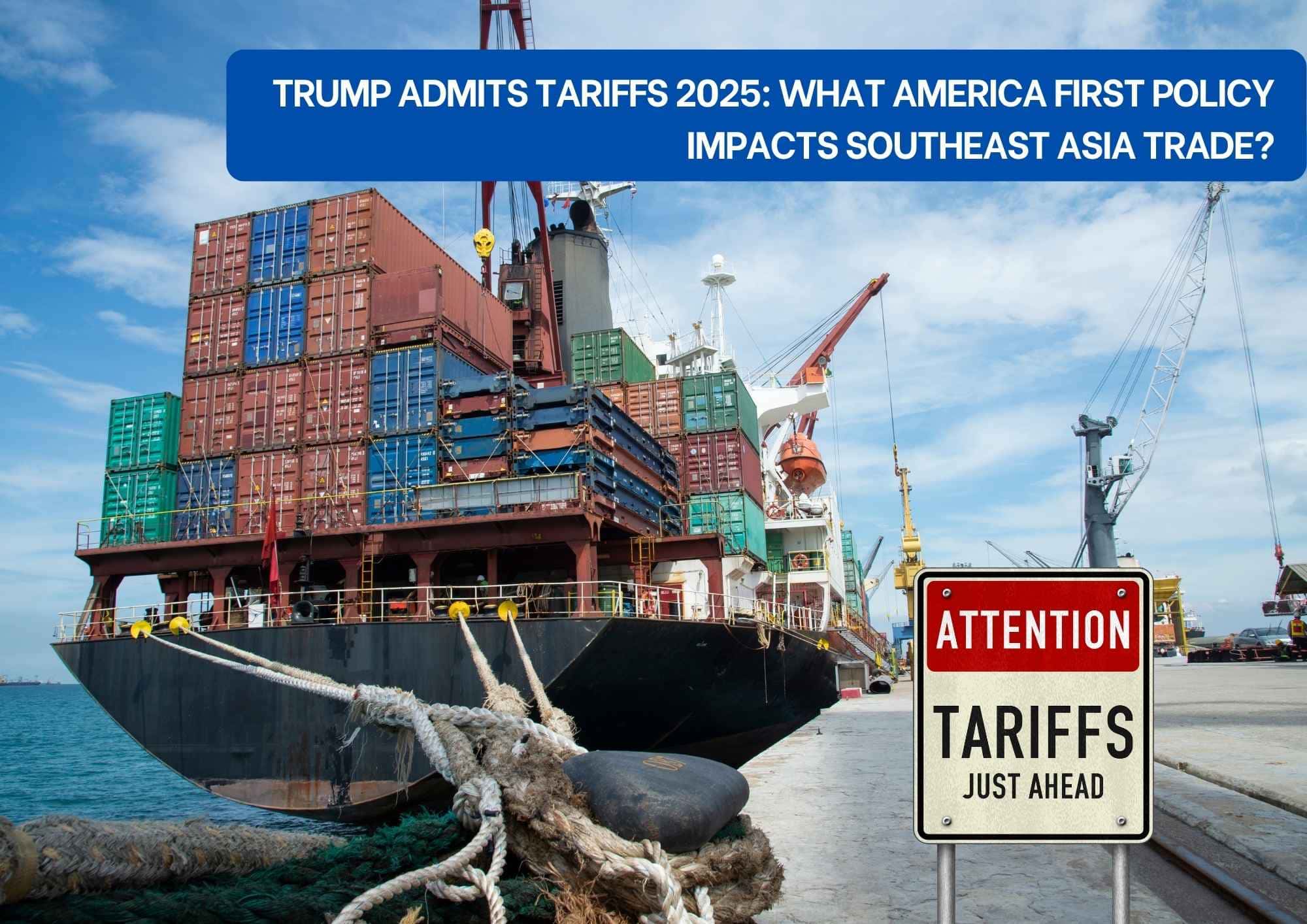
The trade relationship between South Korea and the United States has always been dynamic. Since the Free Trade Agreement (FTA) in 2007, South Korean exporters have largely enjoyed smooth access to the U.S. market. But 2025 has brought a major shake-up. On April 9, the U.S. introduced a 25% tariff on South Korean exports—a dramatic move that has left many businesses scrambling.
And here’s the kicker: this is the highest tariff rate the U.S. has imposed on any of its FTA partners, even surpassing Japan (24%) and the EU (20%). So, what does this mean for South Korean industries? Let’s break it down.
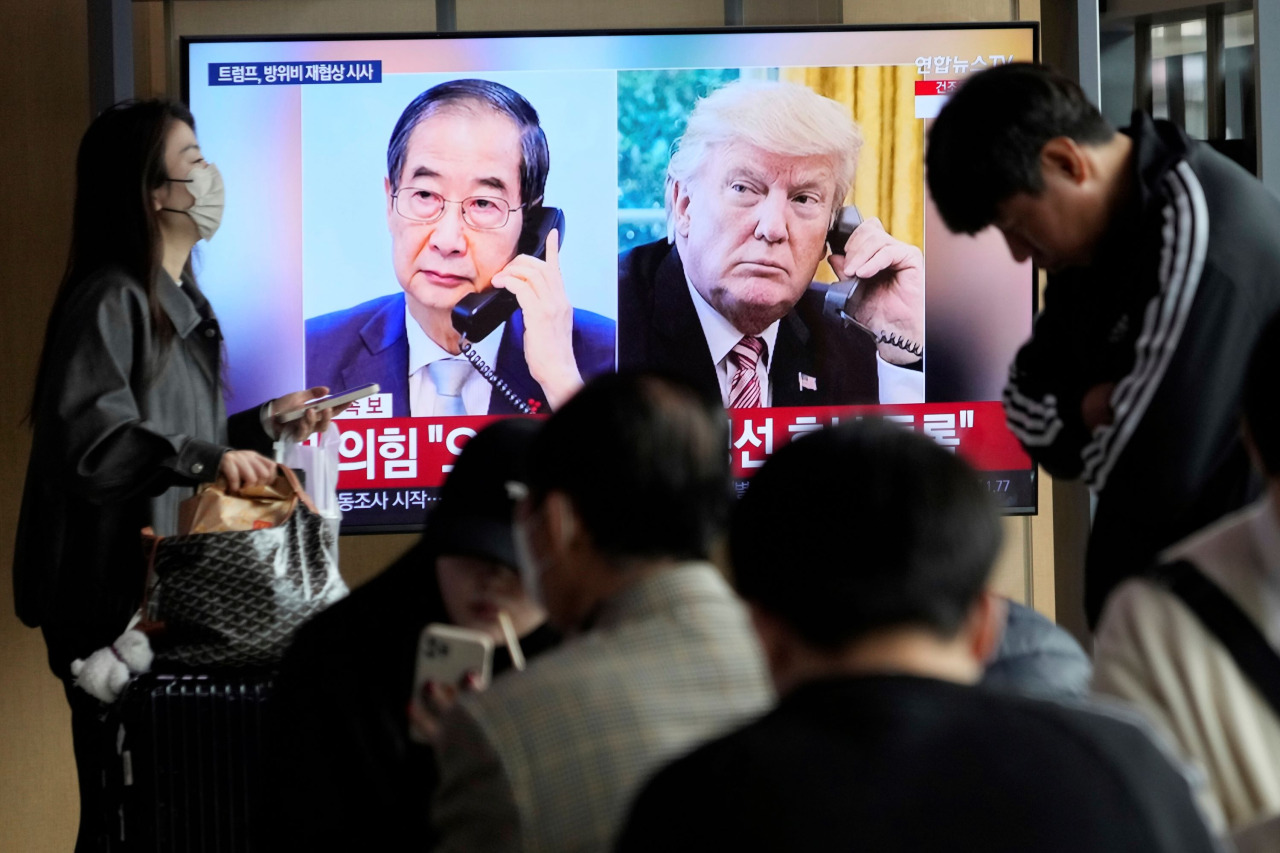
People watch a TV screen showing a file image of South Korean acting President Han Duck-soo (left) and US President Donald Trump during a news program at the Seoul Railway Station in Seoul, South Korea, April 9, 2025. (PHOTO / AP) – Source: Reuters
Key Sectors Feeling the Pressure
While the tariffs are far-reaching, certain industries are particularly vulnerable. Among them, the automotive, semiconductor, and steel & aluminum sectors are facing significant disruptions. However, these are just part of the bigger picture—other industries like consumer electronics, machinery, and petrochemicals are also navigating turbulent waters.
Automotive Industry: Hitting the Brakes?
South Korea’s automotive sector is one of the hardest hit. Last year alone, $34.7 billion worth of vehicles were exported to the United States, accounting for nearly half of South Korea’s total automotive exports. Hyundai and Kia, two of the country’s largest automakers, are facing the threat of tariffs as high as 200% on certain vehicle imports.
Think about that for a second—a 200% tariff. The ripple effects are massive: higher costs, strained supply chains, and potentially even job losses. To counter this, the South Korean government launched a 15 trillion won ($10.18 billion) support package, including financing, tax reductions, and subsidies for electric vehicles. It’s a lifeline, but is it enough?
Semiconductors: A Growing Uncertainty
Now, here’s where things get even more complex. While tariffs haven’t been slapped on semiconductors just yet, the U.S. has hinted at duties exceeding 25%. For major players like Samsung and SK Hynix, this spells uncertainty.
These companies are not just dealing with tariffs—they’re also feeling the squeeze from tighter U.S. export controls on AI chips to China. Meanwhile, competitors like TSMC are making bold moves in the U.S. market, which could disrupt the entire semiconductor supply chain. If South Korean giants want to stay competitive, diversification and localizing production might be the only way forward.
Steel and Aluminum: Back Under Pressure
Remember when South Korea was exempt from steel tariffs during Trump’s first term? Those days are over. Now, there’s a 25% tariff on 253 steel and aluminum products, putting a $2.9 billion dent in South Korea’s export market.
POSCO and Hyundai Steel are already eyeing U.S.-based production as a workaround, while the South Korean government is cooking up countermeasures to soften the blow. But setting up new facilities isn’t quick—or cheap.
Where Do We Go from Here?
South Korean companies have been here before—navigating crises like the 1997 Asian financial meltdown, the 2008 global crash, and the semiconductor crunch during the pandemic. Resilience is part of the business DNA in South Korea.
We’re already seeing shifts:
-
Localization in the U.S.: More production moving stateside to dodge tariffs.
-
Expanding into Southeast Asia: The Korea-Vietnam trade relationship is heating up, with more companies exploring opportunities.
-
Government Support: Focused aid for key industries, including electric vehicles and green tech.
Get the Full Analysis: Download the PDF Report
Want the summary on how the US Tariffs 2025 are impacting South Korean businesses? Download the detailed report here: Download the PDF.
Looking to Navigate US Tariffs 2025 with a Clear Strategy?
If you want to explore tailored business plans, market opportunities, or strategic expansion options for your business in South Korea, feel free to reach out to us at southkorea@sourceofasia.com. Let’s turn these challenges into growth opportunities together.