![[website] Thumbnail Expertise Articles (21)](https://www.sourceofasia.com/wp-content/uploads/2025/03/Website-Thumbnail-Expertise-Articles-21.jpg "[website] Thumbnail Expertise Articles (21)")
The “America First” policy aimed to revitalize American manufacturing and create jobs within the United States, particularly in strategic sectors such as electronics, pharmaceuticals, and automotive. The Trump administration employed tax cuts, deregulation, and “Buy American” provisions to encourage the reshoring of industrial production.
Since the inception of the “America First” doctrine, the US has focused on reshoring industries, imposing tariffs, and renegotiating trade deals to benefit domestic businesses. Moreover, under Trump’s leadership, these policies aimed to reduce dependence on foreign manufacturing, particularly from China, while bolstering US economic self-sufficiency. However, as the US adjusted its global trade stance, businesses sought alternative supply chain solutions, creating both challenges and opportunities for Southeast Asia.
With the US-China trade war intensifying and tariffs disrupting traditional trade routes, Southeast Asia nations have emerged as strong contenders for supply chain diversification. The key question remains: how can Southeast Asia capitalize on these shifting economic dynamics? In this article, we will examine how Trump’s “America First” policies, including tariffs and trade restrictions, create opportunities for Southeast Asia to attract investment, enhance manufacturing capabilities, and strengthen trade relationships with the U.S.
America First: What to know?
Trump’s “America First” agenda introduced sweeping changes to US trade and economic policies. The core components of this strategy included:
Trade Protectionism & Tariffs under “America First”
The “America First” policy significantly reshaped U.S. trade relations through the aggressive use of tariffs and protectionist measures. While the focus often centered on China, the policy’s impact extended to numerous trading partners, including longstanding allies.
| Region / Country | Measures Taken by the United States | Consequences |
|---|---|---|
| China | Imposition of 25% tariffs on Chinese goods worth $250 billion. | Trade war leading to retaliatory measures from China, disruption of supply chains, increased costs for businesses and consumers. Many multinational companies began diversifying their production bases to other countries. |
| Canada and Mexico | Renegotiation of NAFTA, replaced by the United States–Mexico–Canada Agreement (USMCA). Tariffs on steel and aluminum citing national security reasons. | Trade tensions with Canada and Mexico. The USMCA introduced new rules for the automotive industry and labor standards aimed at reshoring industrial jobs to the U.S. |
| European Union | Imposition of tariffs on products such as steel, aluminum, and agricultural goods. Threats of tariffs on European automobiles. | Retaliatory tariffs from the EU, escalation of trade tensions between the United States and the European Union. |
| Southeast Asia | U.S. withdrawal from the Trans-Pacific Partnership (TPP). | Decreased U.S. trade engagement in the region, allowing China to expand its economic influence in Southeast Asia. |
Focus on Domestic Manufacturing and Job Creation

Despite the initiatives put in place, higher labor costs and the complexity of supply chains have hindered the large-scale reshoring of industries. The trade war with China, although aimed at boosting domestic production, led to increased costs and greater uncertainty, discouraging some companies from investing further.
Impact of Tariffs on China and the China+1 Strategy
One of the most significant outcomes of the “America First” policy was the imposition of tariffs on Chinese goods, forcing multinational companies to reassess their reliance on China. The “China+1” strategy, which encourages production diversification beyond China, has led to increased industrial operations in Southeast Asian countries such as Vietnam, Thailand, and Indonesia.
Southeast Asia as a Manufacturing Alternative
Many American companies are shifting part of their supply chains to Southeast Asia, benefiting from lower labor costs, strategic trade agreements, and developing infrastructure. Among the key beneficiary countries are:
Vietnam: rapidly emerging as an electronics and manufacturing hub

Figure 1. Landmark 81 Tower in Ho Chi Minh City, Vietnam
Vietnam has emerged as a leading destination for exports in electronics, textiles, and agriculture. The country has attracted major global brands such as Apple and Samsung, which have expanded their manufacturing operations there, drawn by competitive labor costs, a stable business environment, and strong trade agreements like the RCEP and CPTPP.
Moreover, its proximity to China allows for smooth integration into regional supply chains, positioning Vietnam as a key player in the China+1 strategy. While the country is beginning to make strides in semiconductor manufacturing, it also shows strong development potential in the field of renewable energy.

Figure 2. Mahanakhon Skywalk, Bangkok, Thailand
Nicknamed the “Detroit of Asia,” Thailand has built a strong reputation in automotive manufacturing, hosting global brands such as Toyota, Honda, and Ford. The country has also made significant investments in high-tech industries, particularly in electric vehicle (EV) production, robotics, and biotechnology, supported by the Thailand 4.0 initiative aimed at boosting technological innovation.
With well-developed infrastructure, a skilled workforce, and favorable government policies, Thailand remains a top choice for manufacturers seeking stability and efficiency.

Figure 3. Jakarta city skyline, Indonesia
Indonesia is emerging as a key player in raw materials processing, industrial production, and the development of the digital economy. As the world’s largest producer of nickel, the country plays a crucial role in the supply chain for electric vehicle (EV) batteries and renewable energy technologies.
In addition, the rapid growth of e-commerce and fintech in Indonesia has attracted significant foreign investment. Giants such as Grab, Gojek, and Tokopedia are at the forefront of this digital transformation. While infrastructure challenges remain, government initiatives such as Making Indonesia 4.0 are preparing the country for long-term sustainable industrial growth.
Malaysia: A Pillar of Semiconductors and High Technology

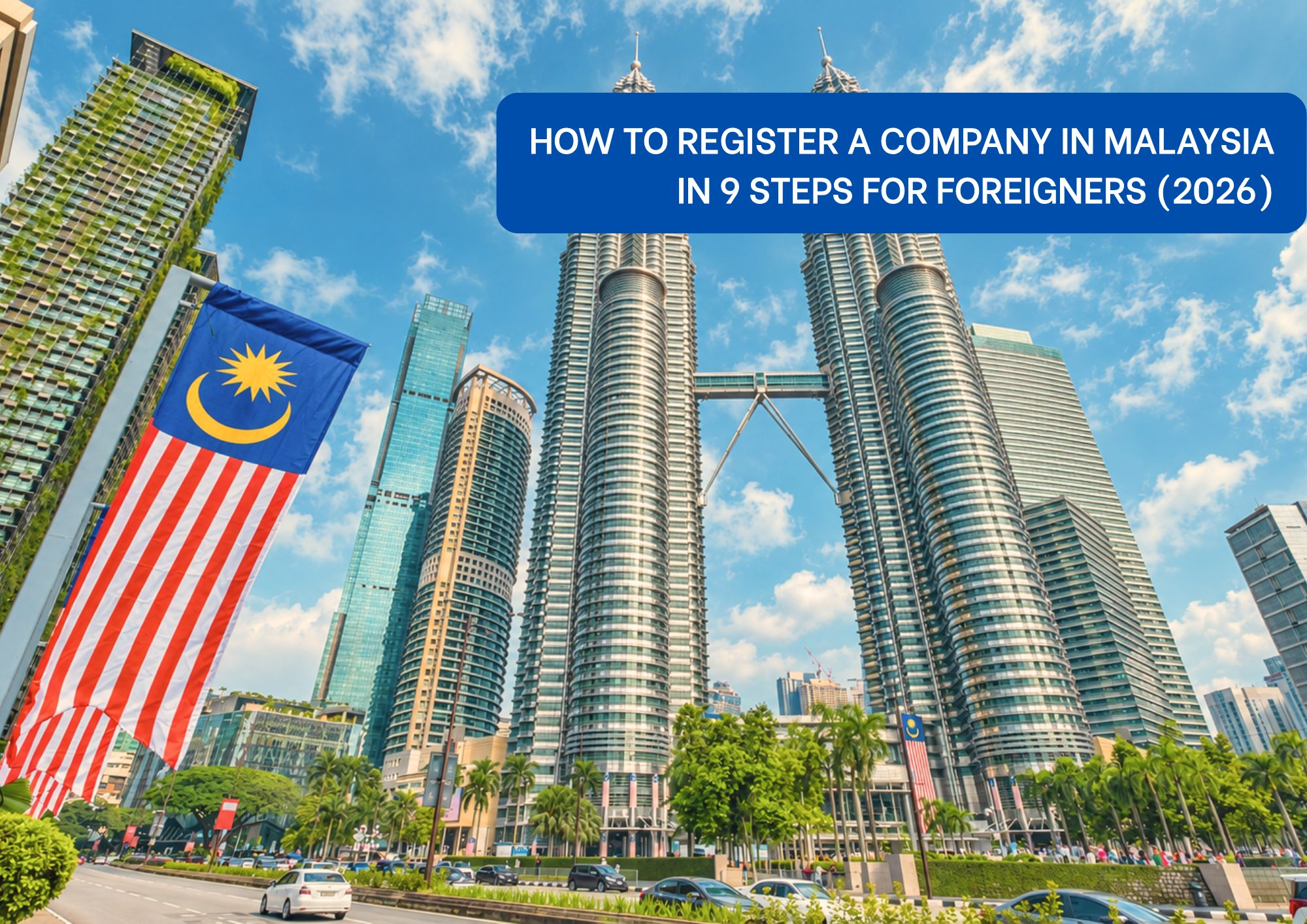
Figure 4. Petronas Twin Towers, Kuala Lumpur, Malaysia
Malaysia has built a solid semiconductor industry, accounting for about 13% of global chip assembly, testing, and packaging. Companies like Intel, Texas Instruments, and Infineon have operated in the country for many years, taking advantage of a skilled workforce, developed infrastructure, and business-friendly policies. Moreover, Malaysia is expanding its efforts into green technologies and sustainable production, making it an attractive destination for high-tech industries.
Philippines: A Rising Player in Electronics and Business Services

Figure 5. Park Central Towers, Manila, Philippines
The Philippines is quickly advancing in the electronics manufacturing sector, particularly in semiconductors and consumer electronics. The country also benefits from a large English-speaking workforce, making it a global hub for business process outsourcing (BPO) and IT services. With increasing foreign investment in infrastructure and digital transformation, the Philippines is positioning itself as a key player in both manufacturing and service industries.
Singapore: Regional Hub for Trade and Innovation

Figure 6. Gardens by the Bay, Singapore
Singapore is a global leader in trade, logistics, and advanced manufacturing, while also serving as the financial and commercial center of Southeast Asia. The country hosts the regional headquarters of numerous multinational companies, thanks to its highly skilled workforce, world-class infrastructure, and strict intellectual property protection.
A pioneer in Industry 4.0, artificial intelligence, and smart manufacturing, Singapore drives innovation across sectors such as pharmaceuticals, aerospace, and precision engineering. Despite high labor costs, automation, robotics, and advanced technologies allow Singapore to remain highly competitive in global supply chains.
Business Opportunities in Southeast Asia
Investment Policies and Future Outlook
Southeast Asia is experiencing a surge in foreign direct investment (FDI), particularly in Vietnam, Thailand, and Indonesia, as companies seek to diversify their supply chains away from China. This influx of investment is fueling the development of key sectors such as electronics, semiconductors, textiles, and automotive. With growing industrial capabilities and business-friendly policies, ASEAN nations are emerging as competitive alternatives.
ASEAN has established a robust framework of agreements and policies to facilitate investments and strengthen economic integration—both within the region and with external partners.

📘 Download our free guide “Doing Business in ASEAN 2024–2025” here.
Regional Strategies Towards 2025
ASEAN’s short-term plans are outlined in the ASEAN Economic Community (AEC) Blueprint 2025 and the ASEAN Community Vision 2025. These overarching frameworks guide ASEAN’s efforts to achieve deeper economic integration and promote regional cooperation.
In parallel, the ASEAN Digital Masterplan 2025 aims to boost digital transformation and connectivity across the region. While the Master Plan on ASEAN Connectivity 2025 (MPAC) may overlap with the AEC plan, it likely explores more specific strategies and action plans to achieve the broader goals set out by the AEC.
Challenges to Growth in Southeast Asia
Despite its growing prominence as a global manufacturing hub, Southeast Asia faces several challenges. One major issue is infrastructure: some countries in the region still lag behind China in terms of logistics, transportation, and supply chain efficiency. This can hinder their ability to fully capitalize on shifting global trade dynamics.
In addition, political and regulatory uncertainties pose risks for foreign investors. Inconsistent policies and complex bureaucracies can disrupt long-term business operations. Moreover, Southeast Asian economies rely heavily on global demand, making them vulnerable to economic slowdowns and international trade disruptions.
Another significant challenge is the shortage of skilled labor in high-tech industries. Although the region benefits from competitive labor costs, it must now invest more in skill development to meet the demands of advanced manufacturing and digital transformation.
Finally, rapid industrialization raises environmental and sustainability concerns. Governments in the region are under increasing pressure to implement stricter regulations on pollution, waste management, and sustainable development. Addressing these challenges will be key for Southeast Asian countries to maintain their competitive edge in the global trade landscape.
Conclusion
Southeast Asia stands at a pivotal moment in global trade, partially benefiting from the reshaping of supply chains influenced by “America First”-style policies. While increasing foreign investment, competitive labor costs, and strategic trade agreements offer real opportunities, challenges remain: infrastructure gaps, political uncertainties, and a shortage of skilled labor.
By strengthening economic policies, investing in infrastructure, and developing workforce skills, Southeast Asian countries can cement their role as a global manufacturing hub in an ever-evolving trade landscape.
Looking for business opportunities in the region?
Feel free to contact us at hello@sourceofasia.com — our SOA team will be happy to assist you!