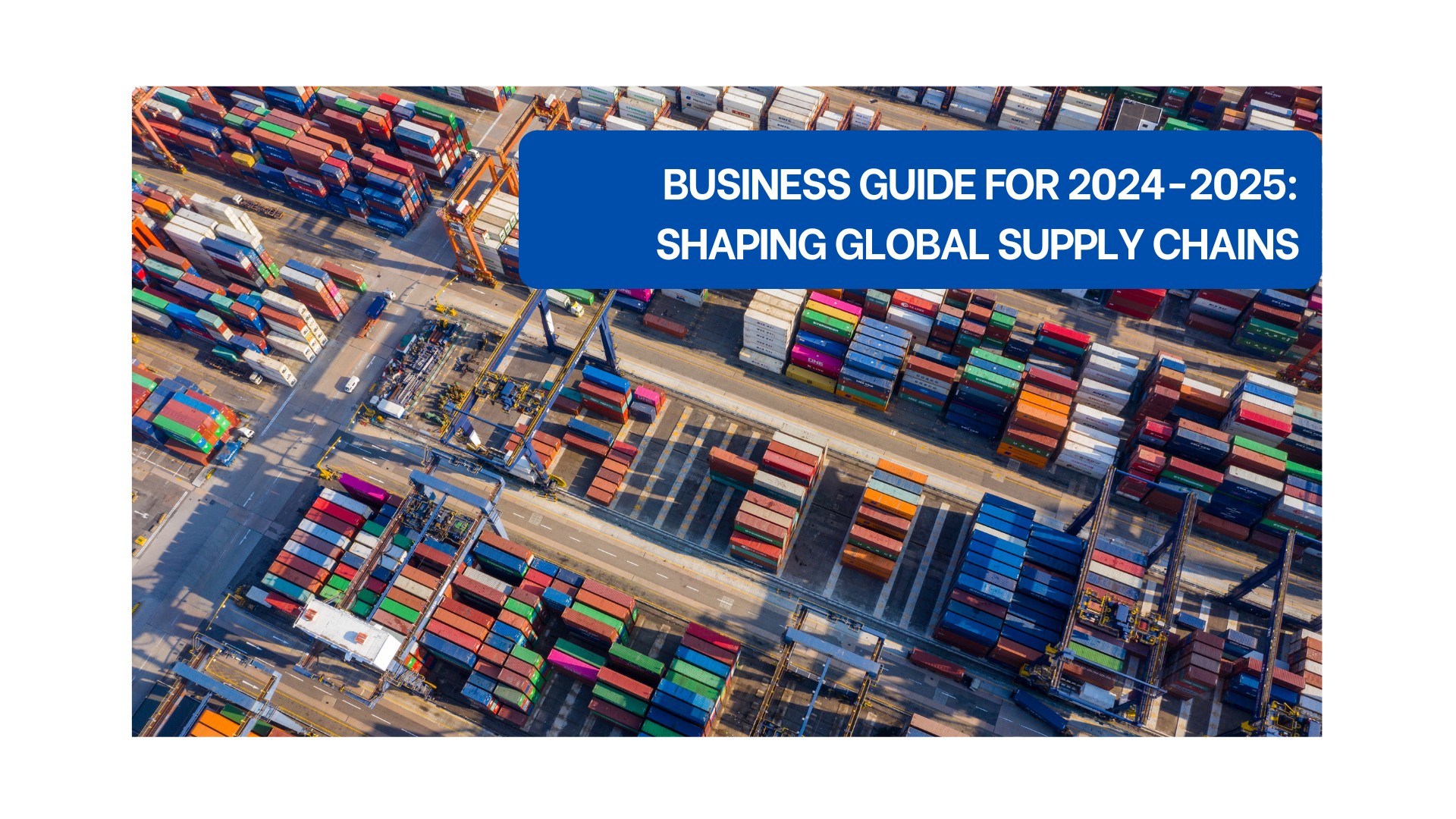
The global supply chain landscape is changing rapidly, and ASEAN (Association of Southeast Asian Nations) is becoming a critical player in this shift. Businesses worldwide are reevaluating their strategies to mitigate risks, and many have embraced the “China +1” strategy, which involves diversifying their operations outside of China. This move has placed ASEAN at the forefront, benefiting from its strategic location, favorable trade agreements, and competitive labor markets.
But what does this trend mean for your business? How can you take advantage of the opportunities ASEAN offers? This guide explores the key trends and strategies for Doing Business in ASEAN in 2024-2025, helping you navigate this dynamic region and future-proof your operations.
The rise of ASEAN in global supply chains
ASEAN’s strategic advantage in the “China +1” strategy
ASEAN’s prominence in global supply chains has grown significantly in recent years. The “China +1” strategy is a key driver behind this trend, as companies aim to reduce their dependence on China while maintaining production capacity in Asia. This approach has gained momentum due to rising labor costs in China, supply chain disruptions, and geopolitical tensions.
ASEAN countries, with their proximity to China and favorable trade conditions, have become ideal alternatives. Vietnam, Thailand, Malaysia, and Indonesia are increasingly seen as attractive destinations for foreign investment, offering more cost-efficient manufacturing options and a lower risk profile.
Key opportunities for businesses expanding into ASEAN
ASEAN’s growth as a production and consumption hub is creating numerous opportunities for businesses across industries. The region’s diverse economies offer competitive advantages in manufacturing, services, and logistics.
Lower labor and production costs
Labor and production costs in many ASEAN countries are significantly lower compared to China. For example, in Vietnam, labor costs are approximately 50% lower than in China, making it a preferred destination for manufacturing sectors such as electronics, textiles, and automotive components. Countries like Cambodia and Myanmar also offer competitive wages for industries such as garment production.
This cost advantage allows businesses to maintain profitability while meeting global demand, particularly for labor-intensive products.
Access to growing consumer markets
ASEAN is home to more than 650 million people, with a rapidly growing middle class. Rising incomes and increased consumer spending across the region present attractive opportunities for businesses in consumer goods, food and beverage, and retail sectors. E-commerce, in particular, is booming in countries like Indonesia, Vietnam, and the Philippines, driven by increased internet penetration and digital adoption.
Favorable trade agreements
ASEAN countries benefit from a number of trade agreements that lower tariffs and promote cross-border business. The ASEAN Free Trade Area (AFTA), for example, reduces trade barriers among member states, while the Regional Comprehensive Economic Partnership (RCEP) includes ASEAN and five other Asia-Pacific countries, forming one of the world’s largest trade blocs. These agreements provide businesses with easier access to regional markets and more favorable trade conditions, reducing the costs and complexities of doing business.
Challenges businesses may face in the ASEAN market
While ASEAN presents tremendous opportunities, businesses must also be aware of the region’s challenges. Understanding the local landscape and preparing for obstacles can help companies navigate these markets more effectively.
Navigating regulatory environments
One of the primary challenges of expanding into ASEAN is understanding and complying with each country’s regulatory framework. Laws and regulations governing labor, taxation, and business practices can vary significantly across the region. For example, foreign ownership restrictions in some countries may require businesses to form partnerships with local firms.
Inconsistent infrastructure
Infrastructure development varies across ASEAN countries. While Singapore and Malaysia boast world-class infrastructure, some developing markets such as Laos and Myanmar may struggle with less efficient transportation and logistics networks. Businesses need to assess the readiness of local infrastructure when planning their supply chains and factor in potential costs related to transportation delays or inefficiencies.
Why you should invest in ASEAN now
Investing in ASEAN can provide a strategic advantage for businesses looking to diversify their supply chains and tap into new markets. The region’s combination of lower costs, access to consumer markets, and supportive trade policies makes it an ideal hub for international expansion.
Digital growth and E-commerce expansion
ASEAN’s digital economy is growing at an unprecedented rate, with countries like Indonesia and Vietnam leading the charge. By 2025, ASEAN’s digital economy is expected to exceed $360 billion. This expansion is driven by rising internet penetration, smartphone adoption, and a young, tech-savvy population. For businesses in the technology, e-commerce, and fintech sectors, ASEAN presents significant growth opportunities.
Increasing focus on sustainability
ASEAN governments are increasingly prioritizing sustainability and green growth. Initiatives such as the ASEAN Green Deal aim to promote clean energy, sustainable infrastructure, and responsible business practices. Companies investing in ASEAN can benefit from these initiatives by aligning their business strategies with the region’s sustainability goals.
How to succeed in ASEAN markets
Building local partnerships for market entry
One of the most effective ways to succeed in ASEAN is by building strong local partnerships. Collaborating with local distributors, suppliers, or joint venture partners can help businesses navigate regulatory complexities, cultural differences, and logistical challenges. Local partners also provide valuable insights into market trends, consumer preferences, and business practices, which can significantly enhance your market entry strategy.
Localizing Your Marketing Efforts
Success in ASEAN also requires a localized approach to marketing and customer engagement. Each country in ASEAN has its own unique culture, language, and consumer behavior. Businesses must tailor their marketing efforts to resonate with local audiences, whether through localized advertising, product adaptation, or region-specific promotions.
For example, while e-commerce is growing in Indonesia, Vietnam’s consumers may prioritize in-person shopping experiences. Understanding these nuances can help businesses create targeted campaigns that appeal to local customers.
Final Thoughts
As businesses seek to build more resilient and diverse supply chains, ASEAN offers a unique opportunity for international expansion. The region’s favorable economic conditions, growing consumer markets, and digital transformation make it an essential part of the future global supply chain.
If you’re ready to explore the potential of ASEAN, our Doing Business in ASEAN 2024-2025 booklet is your essential guide. From navigating regulatory environments to leveraging local partnerships, this booklet provides expert insights and actionable strategies for success.
Source of Asia: Helping You Navigate Opportunities in ASEAN
As part of our commitment to providing valuable insights, we’re excited to introduce our new booklet, “DOING BUSINESS IN ASEAN 2024-2025.” This comprehensive guide offers expert analysis on the economic trends, market opportunities, and regulatory frameworks that businesses need to understand when expanding into ASEAN markets. Whether you’re a multinational corporation or a startup, our booklet will equip you with the knowledge to thrive in the region.

Doing Business in ASEAN 2024 – 2025